
TEJEROS CONVENTION
The Tejeros Convention (alternate names include Tejeros Assembly and Tejeros Congress) was the meeting held between the Magdiwang and Magdalo factions of the Katipunan at San Francisco de Malabon (now General Trias, but the site is now at Rosario), Cavite on March 22, 1897. These are the first presidential and vice presidential elections in Philippine history, although only the Katipuneros (members of the Katipunan) were able to take part, and not the general populace.


Malolos Congress
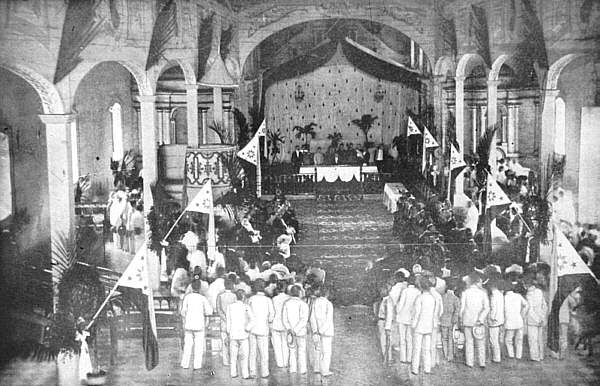
The Malolos Congress or formally known as the "National Assembly" of representatives was the constituent assembly of the First Philippine Republic. It met at the Barasoain Church in Malolos, Bulacan.It drafted the Malolos Constitution. The Congress was not much more than a decoration."That is to show to the foreign correspondents that we Filipinos are civilized, but the bulk of the work in nation building were done at the Malolos Cathedral by the executive branch of government led by President Emilio Aguinaldo, who was in command of the army fighting the Americans", said attorney Cris Santiago, past president of the historical society of Bulacan (known as Samahang Pangkasaysayan ng Bulacan or Sampaka).
Philippine Constitutional Convention election, 1934
Election of delegates to the 1934 Philippine Constitutional Convention was held on July 10, 1934, in accordance with the Tydings-McDuffie Act. The Convention drafted the 1935 Constitution, which was the basic law of the Philippines under the American-sponsored Commonwealth of the Philippines and the post-War, sovereign Third Republic.

Philippine Constitutional Convention election, 1970
The Constitutional Convention of 1970 was called to change the then Philippine Constitution, written to establish the Commonwealth of the Philippines. A special election was held on November 10, 1970 to elect the delegates.
Former Philippine President Carlos P. Garcia was sworn in as the President of the Constitutional Convention on June 1, 1971. However, he died thirteen days after taking oath. Former President Diosdado Macapagal replaced Garcia. Sotero H. Laurel served as the President Pro-Tempore of the convention.
Other prominent delegates were former Senators Raul Manglapus and Roseller T. Lim. Other delegates would become influential political figures including Hilario Davide, Jr., Marcelo Fernan, Sotero Laurel, Aquilino Pimentel, Jr., Teofisto Guingona, Jr., Raul Roco, Edgardo Angara, Richard Gordon, Margarito Teves and Federico Dela Plana
The work of the Convention was affected by the declaration of martial law in September 1972 by President Ferdinand Marcos. Eventually, on November 29, 1972, the Convention approved the new constitution. It was submitted to a vote in the 1973 constitutional plebiscite. The results of the plebiscite and the legality of the 1973 Constitution was questioned before the Philippine Supreme Court in the Ratification Cases. The constitution was upheld. Marcos would continue to rule as a dictator until being ousted by the People Power Revolution in 1986
Philippine Constitutional Commission of 1986
The Philippine Constitutional Commission of 1986 was the Constitutional convention tasked with drafting the present iteration of the Constitution of the Philippines in 1986.
